


 0
0
 0
0
By Hannah Barber,
G.W. Jackson, born in Alabama in 1856, was a trailblazing African-American educator and a significant community leader. He pursued his education at Fisk University in Nashville, Tennessee, and went on to author several influential books centered on education. Widely recognized throughout Texas, Jackson established the Corsicana school system for African-American students and made history as the first African-American principal in Corsicana, serving in that role for an impressive 45 years. His unwavering dedication to education and leadership profoundly shaped the community and left a lasting legacy.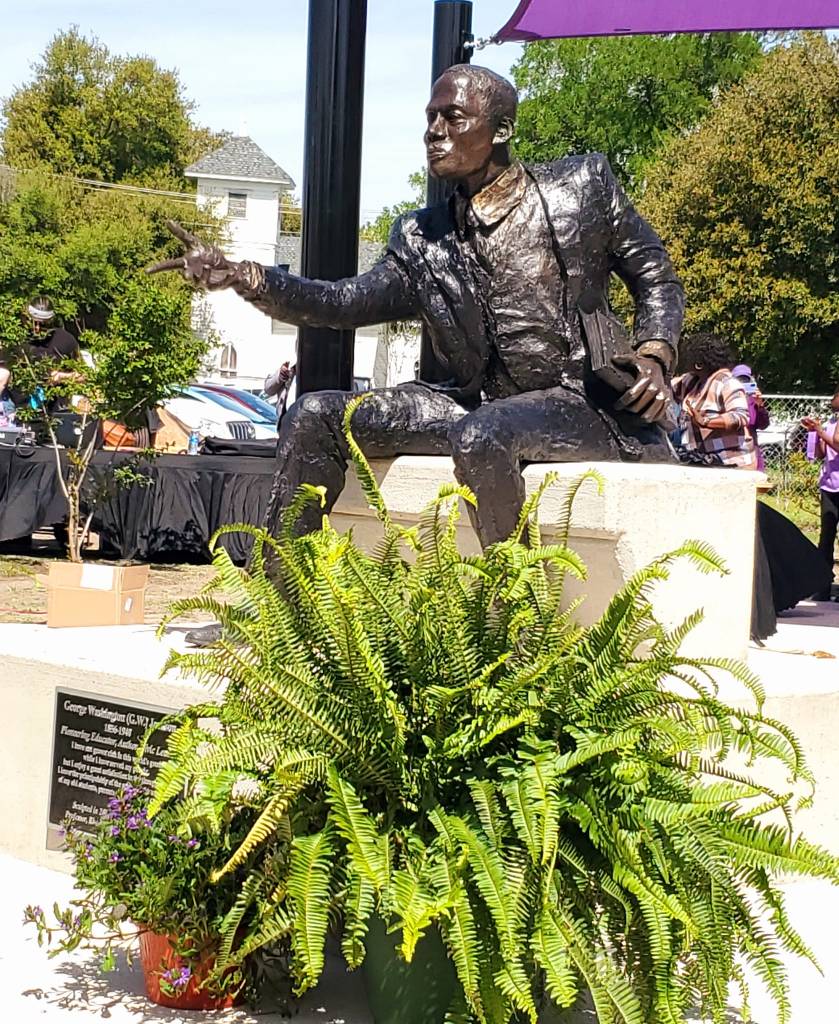
In the 1920s, G.W. Jackson High School was built to replace the Fred Douglas High School, which had been destroyed by fire. The community honored Jackson by naming the new school after him, recognizing his lifelong dedication to the education of African-American children. This institution is believed to be the first brick schoolhouse built for African-American students in the state of Texas, symbolizing progress and commitment to quality education in the region.
Jackson earned the respect of the entire Corsicana community not only for his educational contributions but also for his active involvement in church and civic leadership. He served as the grandmaster of the Grand United Order of Odd Fellows for six years. His obituary, published on July 22, 1940, noted that he had one son, a Harvard graduate, who was employed by the New York City Post Office.
Tragically, G.W. Jackson High School was lost to arson in 1971, but the house located on MLK Boulevard still remains. In honor of Jackson’s legacy, the G.W. Jackson Multicultural Society was founded by a dedicated group of local citizens in collaboration with the Corsicana Visitors’ Center. Their primary goal was to continue the mission of the late Lois Jean Hart, a respected educator and community leader. Prior to her passing, Mrs. Hart purchased the property at the corner of Martin Luther King Boulevard and 5th Street—land that once housed Jackson’s home—with the vision of transforming it into a multicultural center and museum for the African-American community and all of Navarro County.


Social Media
Communication
Bookmarking
Developer
Entertainment
Academic
Finance
Lifestyle
About Author

Discover more from The NavCo Chronicle
Subscribe to get the latest posts sent to your email.
